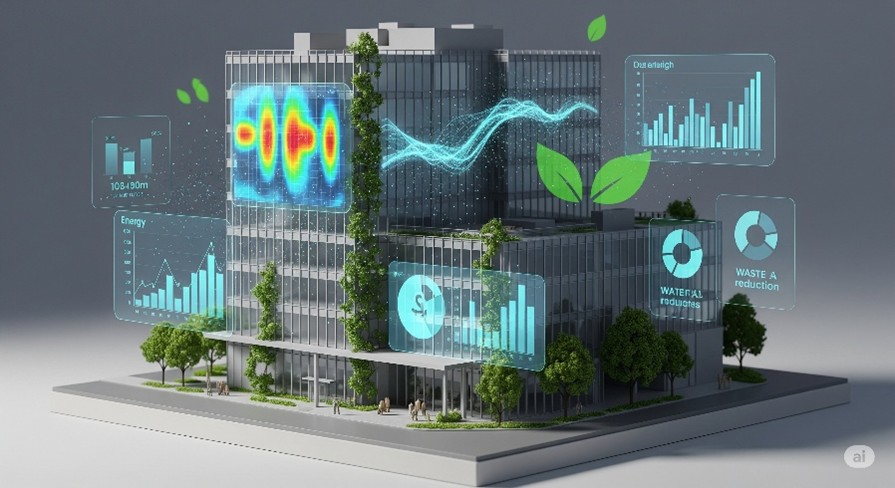
Building Information Modelling (BIM) has become a key driver in achieving greener, more intelligent construction practices in an era where sustainability and efficiency are more than just buzzwords. While many BIM services focus on coordination and technical modelling, its role in sustainable architectural design is equally compelling—offering a well-rounded approach to environmentally conscious construction.
The Intersection of BIM and Sustainable Design
BIM isn’t just about 3D modelling—it’s a holistic approach encompassing data-rich, interoperable building systems. For sustainable projects, this means:
- Visualising environmental impact: BIM tools help quantify embodied energy, evaluate material performance, and assess designs against sustainability benchmarks.
- Performing early energy modelling: BIM enables designers to optimise efficiency during conceptual phases from daylighting analysis to thermal performance simulations.
- Supporting lifecycle assessments: Integrated BIM models streamline end-to-end tracking—from initial design through demolition—ensuring smarter, data-driven decisions.
Beyond Buildings: BIM in Infrastructure and Lifecycle Management
BIM’s sustainability advantages also stretch into infrastructure and long-term building operations:
- In infrastructure construction, BIM facilitates data-driven collaboration, precise planning, and long-term efficiencies, leading to significant cost and time savings.
- Lifecycle studies even show that BIM strategies—like pavement maintenance using BIM-enabled Pavement Management Systems—can reduce carbon emissions by up to 30%.
- A well-utilised BIM model is a data-rich foundation for ongoing facility management, helping stakeholders access asset information quickly and effectively.
Why Green Building Projects Benefit Most from BIM Expertise
When implementing sustainable design, choosing the right BIM service provider can differentiate between a functional model and a future-ready solution. Sustainable projects often depend on:
- Accurate energy and shadow analysis
- Seamless use of green-rated materials data
- Integration with certification workflows like LEED or BREEAM
If you’re exploring expert partners for environmentally optimised BIM services, consider connecting with a thoughtfully curated roster of top providers.
Final Thoughts
BIM is more than a modelling tool—it’s a strategic enabler for sustainability, efficiency, and informed decision-making across the project lifecycle. From early-stage energy simulations to lifecycle cost assessments, BIM helps build greener and smarter.